Field Picks
Courses and workshops in healing, breathwork and consciousness
The teachers and schools whose work I have looked at closely. Open any of them for their courses, prices and who each one suits — the ones I have studied with myself are marked.
- 5
- Teachers & schools
- 14
- Courses & workshops
- 4
- Studied with
Teachers and schools



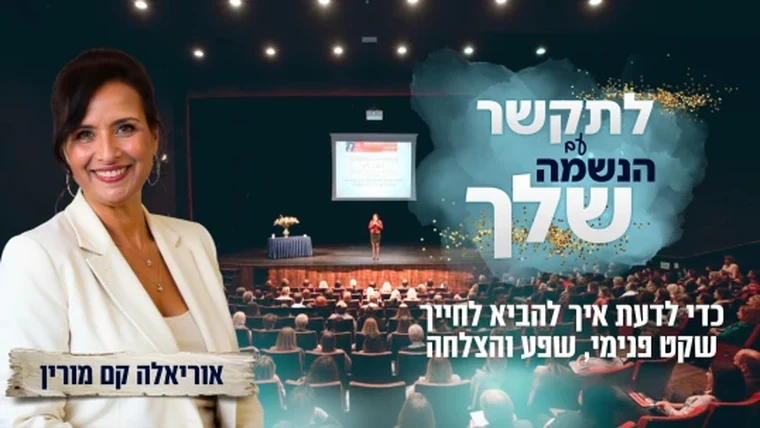
More teachers and schools are added as I work through them. The list stays short deliberately — a page that recommends everyone recommends nothing.
Choosing a course
How to choose a course or workshop in healing, breathwork and consciousness
This is an unregulated field. Anyone may call themselves a teacher, any course may call itself a certification, and the price tells you almost nothing about the quality of what you are buying. What follows is how I decide, written out so you can decide for yourself.
Decide first whether you want a practice or a qualification
These are different purchases and they cost differently. A self-paced course is enough to build a personal practice and generally runs between $90 and $300 with lifetime access. A facilitator or practitioner certification takes months, involves supervised practice, and runs from several hundred into the thousands.
Most people who ask me which course to take want a practice and are being sold a certification. Buying the smaller thing first is almost always right.
Find out what the certificate actually permits
In healing, breathwork and most consciousness work there is no statutory licence, so a certificate is issued by the school and means whatever that school says it means. That is not a scandal — it is simply the situation.
What matters is whether the school is recognised by the people you want to work with, whether insurance is available to you afterwards, and what the law in your country says about practising. Ask before you pay, not after.
Self-paced or live changes who it suits
Self-paced video is cheaper, repeatable and works if you are disciplined. Live teaching costs more and gives you something video cannot: someone watching how you respond, and the chance to ask the question you did not know you had.
For anything that works with the nervous system or with emotional material, a live component is worth paying for at least once.
A workshop and a course are not the same purchase
A workshop is an experience — a weekend, a retreat, a day. You leave with something felt. A course is a body of material you work through over time, and you leave with something learned.
People often buy a course hoping for the experience of a workshop, and are disappointed by video lessons that were never meant to provide it.
Price is not a quality signal in this field
A $97 programme by someone who has taught for forty years and a $2,000 certification assembled last year are both common. The number tells you about the business model, not about the teaching.
What does carry signal: how long the teacher has taught, whether they name who the course is not for, and whether there is a refund window long enough to actually look inside.
Hebrew or English matters more than people expect
Much of the best material in this field is in English, and working in a second language while also working with your own inner material is a real cost. Some people barely notice it; others find it quietly keeps them at arm’s length from the work.
Where a Hebrew-language course exists with a teacher of comparable standing, it is usually the better first step even if the English one is better known.
Seven things to check before you pay
None of these require you to know the subject. They are the questions that separate a course someone built from one someone assembled.
- Who teaches it. A named person with a history you can look up, not a brand.
- How long it has existed. A course in its fifth year has been corrected; one in its first has not.
- What the refund window is. Long enough to look inside properly — 30 days is meaningful, 7 is not.
- Whether it says who it is not for. A course that suits everyone was written by marketing.
- Whether there is anything free. A free session or a first module tells you more than any description.
- What happens after you finish. Lifetime access, a community, continued updates — or nothing at all.
- What the certificate permits. In writing, from the school, before you pay for a track that leads to one.
Common questions about courses and workshops in this field
Do I need a certification to practise healing or breathwork?
For yourself, no. To work with other people, it depends entirely on where you live and what you call yourself. Most of this field is unregulated, which means the certificate is issued by a school rather than by a licensing body — check what it permits in your own country before paying for a track that leads to one.
How much do courses in this field cost?
Self-paced programmes generally run $90 to $300 and include lifetime access. Live cohorts and practitioner certifications run from several hundred to several thousand, usually over months. Workshops and retreats are priced per event.
Are online healing courses worth it?
For learning material, yes — a well-made self-paced course is often better organised than a weekend workshop. For anything that works with the nervous system or with difficult emotional material, a live component is worth having at least once, because video cannot see how you are responding.
What is the difference between a course and a workshop?
A course is a body of material worked through over time; you leave having learned something. A workshop is an event, usually a day to a weekend; you leave having experienced something. Both are useful, and buying one while hoping for the other is the most common disappointment in this field.
How do I know a teacher is legitimate?
Look for a named individual with a traceable history of teaching, material that states who it is not suitable for, a refund window long enough to look inside, and claims that stay within what the method can actually do. Any one of these can be faked; all four together rarely are.
Are there courses in Hebrew?
Yes, though the selection is smaller. Where a Hebrew-language course exists with a teacher of comparable standing, it is usually the better first step — working with your own inner material in a second language is a real cost that people tend to underestimate.
Can I start with no background at all?
In almost every case, yes. Most entry programmes in breathwork, energy work and consciousness assume nothing. Where a course does expect prior training it says so, and that is one of the things worth checking before you pay.
How are the teachers on this page chosen?
Each one is selected deliberately rather than listed because it pays. Where I have studied with the teacher myself it carries a mark, and what I say about them comes from having done it. Where I have assessed a school without studying there, it carries no mark and I say less.
What “studied with” means
A teacher, course or workshop I have taken myself. Everything on this page is chosen deliberately — the mark says which ones I can also describe from the inside.
On money
Where an entry is marked Commission, I earn something if you buy through it. Nothing is listed because it pays, nothing is ordered by what it pays, and prices are confirmed on the date shown — not on the day you read this.