
SESSION · ADDICTION & RECOVERY
Addiction Recovery & Rebuilding
Not just stopping. Understanding what held the pattern in place — and building a life that no longer needs it.
There comes a point when the question stops being “Why can’t I just stop?” — and becomes something deeper.
Addiction is rarely only about a substance or a behaviour. It becomes connected to relief, escape, loneliness, shame, relationships, identity, boredom, intensity — or simply the need to feel different for a while. Stopping may be essential. Sometimes it is only the beginning.
Addiction Recovery & Rebuilding is one-to-one, complementary support with Nitzan Solomon, held remotely, for people recovering from addiction, substance use or compulsive patterns. It can sit alongside treatment, a recovery programme, a therapist or a sponsor. It is not detox, addiction medicine, psychotherapy or medical care.
It is support for the person doing the recovery.
What was this doing for me — and what needs to exist when I no longer use it?
- Addiction & recoveryThe central focus of this session
- One-to-onePersonal support, held remotely
- Alongside treatmentWith a therapist, programme, sponsor or team
- Lived experienceAddiction, compulsive patterns and rebuilding — from the inside
In plain language
What Do We Actually Do Here?
We are not spending an hour talking vaguely about the importance of “being strong.” We look at the addiction as a system.
Where it starts. What activates it. What it gives you for a few minutes. What it costs afterward.
And where choice may still exist before the whole cycle takes over.
At a glance
- Focus: addiction and recovery
- Format: one-to-one, remote
- Especially for: recovery, life after detox, alongside a programme or sponsor
- May include: triggers, cravings, routine, shame, boundaries, relationships, identity, meaning
- Not included: detox, diagnosis, medical or psychiatric treatment
What We Work On
Triggers
Not only “stress” — the hour, person, place, feeling or situation that keeps appearing before the pattern.
Cravings and automatic behaviour
Noticing the sequence earlier, rather than fighting it only at the final moment.
Daily structure
Sleep, food, movement, work, evenings, weekends — and the empty hours where old patterns return.
Shame and identity
Separating “I did things that harmed me” from “I am broken.”
Relationships and boundaries
Who supports the version of you that is rebuilding — and who pulls you back toward the older one.
Meaning and direction
Recovery gets much harder when it is only about what you cannot do.
Where it fits, I also draw on breath, grounding, meditation and body awareness from my wider training. Not instead of addiction treatment — alongside it.

First-hand
I Know Recovery From the Inside
My connection to this work is personal. I have lived through my own periods of addiction, compulsive patterns, destructive choices — and the much less glamorous work of rebuilding afterward.
I know what it is like when the mind understands everything and the behaviour still goes somewhere else. The promise of “tomorrow.” The internal negotiation. The convincing performance of “I’m fine.” And the moment you realise that stopping something is only part of the work.
But I hold the other truth just as clearly: lived experience does not make me a doctor, psychiatrist or medical addiction specialist. I bring lived experience, complementary training and an integrative approach. When medical care, psychiatry, psychotherapy or specialist addiction treatment is needed, that is where to begin. More about my path.
I don’t use my story to assume I already know yours.
“What has this been doing for you?”
The function
Addiction Is Rarely Only About the Thing Itself
There is the substance. There is the behaviour. But there is usually also a function — something the pattern does for the person.
- Calms
- Numbs
- Energises
- Fills an empty evening
- Creates intensity
- Borrowed confidence
- Belonging
- A break from your own mind
That is why one of the first questions I prefer is not “Why are you doing this to yourself?” Not to excuse the addiction — to understand what we eventually need to meet in another way.
The addiction cycle
The Pattern Beneath the Pattern
Many addictive cycles look something like this. If we only begin working at “don’t do it,” we have arrived very late in the cycle.
The cycle
- Trigger
- Tension
- Craving
- Action
- Relief
- Consequence
- Shame
- Promise
- Trigger again
The useful questions come earlier
- What happened an hour before?
- Ten minutes before?
- What sentence appeared in your head?
- What happened in your body?
- Who called — or didn’t?
- After work, conflict or success?
The earlier we can recognise the cycle, the more room there may be for choice.
Three questions
Three Better Questions Than “Why Can’t I Stop?”
What does it give me?
Relief, escape, excitement, connection, silence, confidence, numbness?
Until we understand the function, a real alternative is hard to build.
What happens just before?
Cravings rarely arrive from nowhere. There is usually a context.
Learning it moves the work earlier in the cycle.
Who am I without it?
If the pattern has been there long enough, it is part of your friends, evenings, relationships, money, identity — your story about yourself.
Recovery may require meeting yourself again.
Stopping and recovering
Stopping and Recovering Are Not the Same Thing
Stopping may be the first essential step — and in some situations it must happen with medical support. Recovery is the work that surrounds and follows it.
Stopping
Removing the substance or behaviour.
- Often the first, critical step
- Sometimes needs a medical setting
- Measured in days
Recovering
Building the life around it:
- How do you sleep, and wake up?
- Who do you talk to? What happens at night?
- How do you deal with money, and repair trust?
- How do you sit with a feeling without changing it at once?
And how do you stop building your whole identity around the thing you are trying not to do — and begin creating a life worth staying present for?
Daily structure
Rebuilding the Ordinary Day
A lot of recovery looks much less dramatic than people expect.
- Sleep
- Food
- Movement
- Work
- Returning messages
- Cleaning a room
- Going outside
- A plan for the dangerous hour
Learning to tolerate an ordinary Tuesday without turning it into an event. These things are not trivial — they become foundations, because when life has no structure, addiction finds the empty spaces quickly.
Mapping a real day — not the ideal one
- When do you wake up?
- When are you alone? When are you tired?
- What happens after work — and before sleep?
- When does loneliness appear?
- When does the internal negotiation begin?
Most people have two or three predictable openings. Once we know where they are, we can build something there before the craving arrives at full strength.
Shame, guilt and responsibility
Shame Does Not Build Recovery
These are often confused. They are not the same — and I do believe in responsibility, very much.
Guilt says
“I did something harmful.”
That can sometimes lead toward repair.
Shame says
“I am the harmful thing.”
It collapses the whole identity into the behaviour.
Responsibility says
“This happened. It is mine to deal with. What do I do now?”
That is the direction I am interested in.
Not minimising what happened. Not pretending consequences don’t matter. But also not turning the worst period of your life into your permanent name.
If There Is a Return to Use
A return to an old pattern — a relapse — does not make everything that came before meaningless. But it should not be romanticised either.
We look at it: what happened before, what changed, what we missed, which part of the plan did not hold, and what support needs to change now. Returning to a substance after a period of abstinence can carry real medical risk, because tolerance may have changed — so depending on the substance, medical or specialist support may need to be involved straight away.
What happens next matters more than the story told about it.
Safety Comes First
This work is not detox and it is not addiction medicine. Withdrawal from alcohol, benzodiazepines and some other substances or medications can be medically dangerous and may need professional supervision.
If there is concern about any of the following, a session with me is not the first step — appropriate medical or emergency support is. Everything else can wait.
- Acute withdrawal
- Overdose
- Significant intoxication
- Medical instability
- Immediate risk to yourself or someone else
Relationships
How Do Relationships Affect Recovery?
Very few addictive patterns exist completely outside relationships. Some people make the newer version of you easier to hold; some people, places and dynamics pull the nervous system straight back toward something older.
Often nobody is trying to sabotage anything — human systems simply get used to roles. When one person changes, the whole system has to adjust, and not everyone adjusts easily. My work on toxic relationships and narcissistic dynamics connects here naturally.
Part of the work may involve
- Boundaries
- Loneliness
- Trust
- Supportive — and high-risk — relationships
- Asking for help
- One place where you don’t have to perform “I’m fine”
Body and nervous system
The Nervous System in Recovery
Recovery can bring restlessness, disrupted sleep, emotional swings, tension and strong cravings. Some of this may need professional or medical assessment.
- Breath
- Movement
- Grounding
- Meditation
- Body awareness
Within the boundaries of my work, these can create a little more space between sensation and automatic reaction. Breath, sound & consciousness goes further into these tools.
Not to “breathe addiction away” — to stay with discomfort one moment longer.
Who are you when it no longer organises the day?
- Who are your friends?
- How do you celebrate — and calm down?
- How do you get through a bad day?
- How do you handle success, and boredom?
Identity and meaning
Who Are You Without the Addiction?
After enough time, this stops being a philosophical question. It becomes practical.
My Jungian coaching background sometimes becomes useful here — shadow, persona, identity. Not to turn the session into a lecture on Jung, but to notice the roles and masks that became wrapped around the pattern.
And recovery needs somewhere to go. Not necessarily a grand purpose — sometimes the reason to stay is a child, music, work, a dog, a project, a promise, or the curiosity to see who you might become. Viktor Frankl’s emphasis on meaning shaped how I think about this.
Not only “what am I getting away from?” — but “what am I moving toward?”
A session
What Does a Session With Me Look Like?
We begin with what is happening now — not necessarily your entire life history.
Where you are
Where you are in recovery, what the current pattern is, what activates it and what holds it in place.
Nothing is decided in advance.
What already works
What is holding, where the nearest vulnerability sits, and what needs strengthening next.
The work itself
Depending on what is needed.
- Trigger mapping
- Shame and identity
- Daily structure
- High-risk times
- Relationships and boundaries
- Breath and grounding
- Meaning and direction
A clear purpose
There is no one formula — but the purpose stays clear: to help you support recovery and build the life around it.
Where it fits, another part of the Field may join the work.
Who it may suit
Who This May Suit
You are already in recovery
You have begun moving away from addictive behaviour and want another layer of support around the person underneath it.
You have a programme or professional support
A therapist, sponsor, group or treatment team — and you want complementary support alongside them.
The crisis has passed — now life needs rebuilding
You are discovering that “not using” and “knowing how to live” are not the same thing.
The same pattern keeps returning
You want to understand the cycle, not only fight the final behaviour.
Identity has become part of the problem
You want to explore shame, persona, relationships and who you are becoming now.
You want more than day counting
Routine, meaning, connection and direction around recovery.
When to start elsewhere
When Another Kind of Support Comes First
This is not the right first step in every situation. In these cases, begin with the appropriate professional service — my work may sometimes complement it later.
Is this a replacement for detox? No. If medically supervised withdrawal is needed, that comes first. See the health disclaimer.
Start elsewhere if
- You are in active withdrawal that may need medical monitoring
- You need detox
- There is immediate medical or psychiatric risk
- You need clinical addiction treatment, psychotherapy or psychiatric care
- You want this to replace a treatment plan you need
The background I bring
Lived Experience, Training — and What Neither Replaces
First-hand experience
My own experience of addiction, compulsive patterns and rebuilding. It is not a professional medical qualification — which is exactly why it is listed separately.
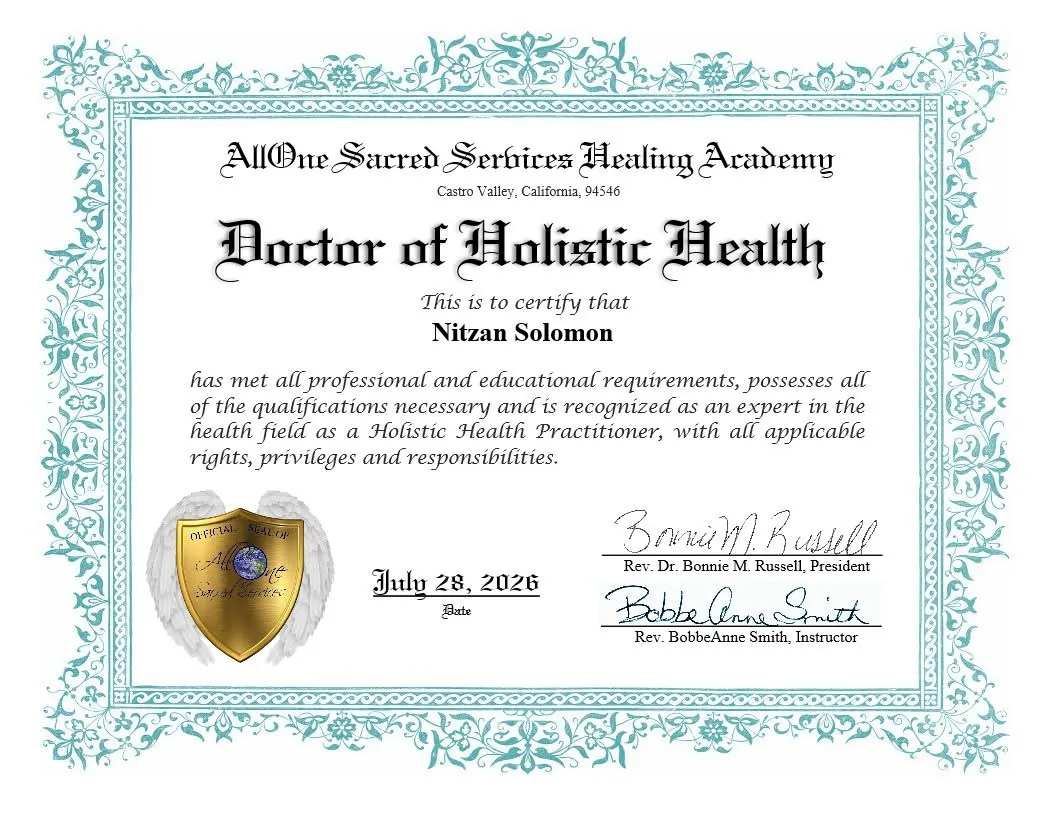
Doctor of Holistic Health · DHH
Holistic health, lifestyle, nutrition, herbs and anatomy. A holistic-health credential — not an MD and not a medical licence.
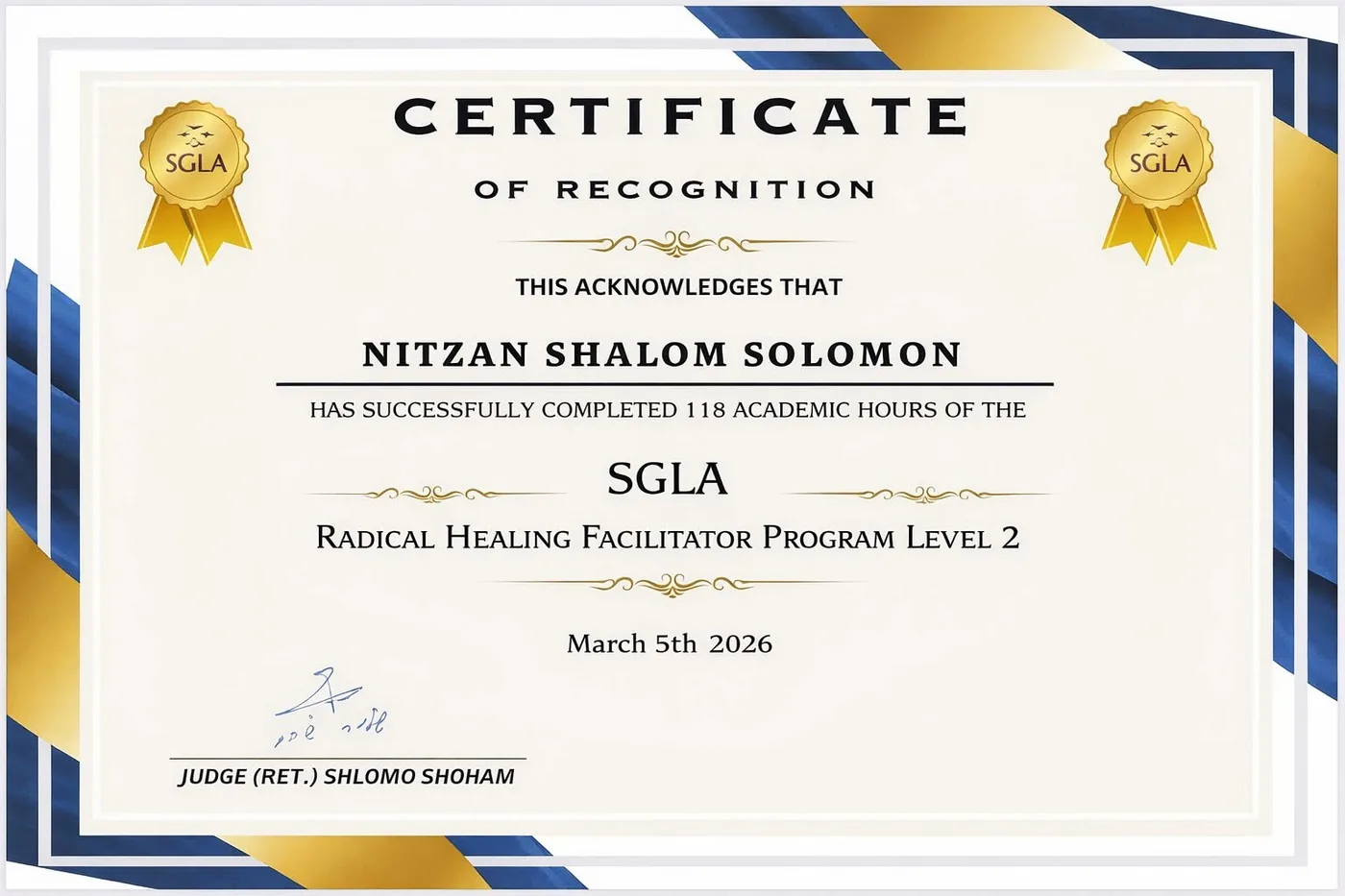
Radical Healing Facilitator · Level 2
Patterns, responsibility, transformation and holding a structured process.
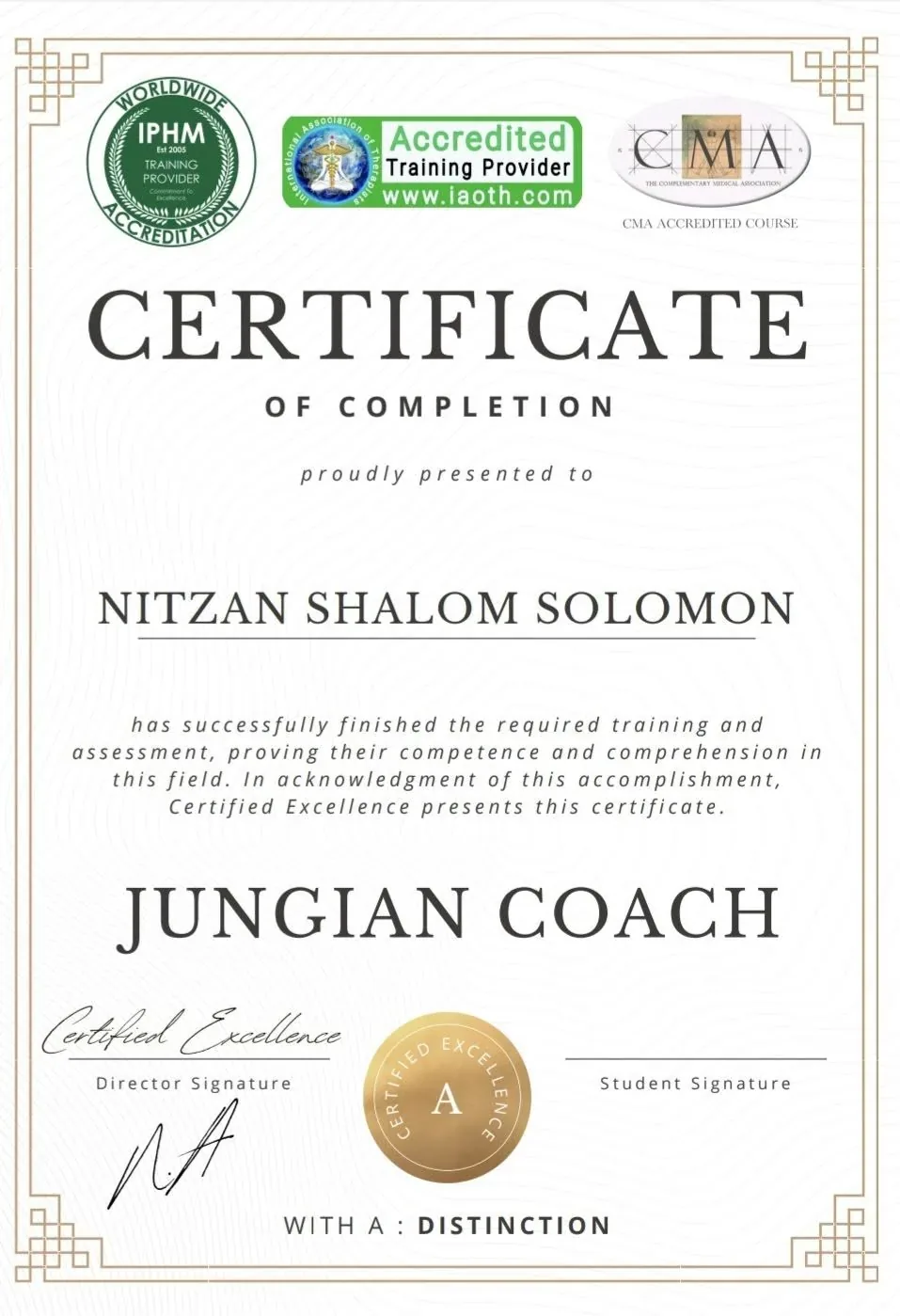
Certified Jungian Coach
Shadow, persona, archetypes and individuation. Coaching training — not psychotherapy licensure.
Common Questions About Addiction Recovery Support
Is this addiction treatment?
No. This is complementary one-to-one support around recovery and rebuilding. It does not replace medical treatment, addiction medicine, psychotherapy, psychiatry or a structured recovery programme when those are needed.
Is this a replacement for detox?
No. If medically supervised withdrawal or detox is needed, that comes first.
I already have a sponsor, therapist or programme. Can this work alongside them?
Yes — that is often one of the most appropriate ways to use this work. Sessions can focus on daily life, triggers, relationships, identity, routines and meaning without competing with the framework you already have.
Do I need to be sober or abstinent before a session?
A session should not take place during significant intoxication or a withdrawal state that needs medical care. There is no single number of sober days that fits every person or substance; what matters is that you can take part safely and clearly. If there is medical uncertainty, consult an appropriate professional first.
What if I have a relapse or return to use?
We look at what happened before it, what was missing and what needs to change next. Depending on the substance, returning to use after abstinence can carry added medical risk because tolerance may have changed — medical or addiction support should be involved where necessary.
Why do you understand this work personally?
Because addiction and rebuilding are part of my own lived experience. I bring that into the room without assuming my story is yours, and without presenting it as medical expertise.
How is this different from therapy?
Psychotherapy and specialist addiction treatment are clinical professions with their own qualifications and scope. My work is complementary support based on lived experience, coaching and integrative tools — not diagnosis or psychotherapy.
I have tried before. Why would this time be different?
I cannot promise that it will be. What we can do is look closely at what did not hold before, what kept triggering the pattern, what support was missing and what structure may need to be different this time.
Complementary, wellbeing-oriented support. Not detox, diagnosis, medical, psychiatric or psychological treatment, and not a substitute for qualified care. No outcome is promised. Health disclaimer.
ADDICTION RECOVERY & REBUILDING
Stopping is part of the journey. Rebuilding is what comes next.
You can remove something from your life. But if nothing is built where it used to live, an empty space remains. This work is about that space — the pattern, the person underneath it, the ordinary day — and the possibility that life becomes something worth being present for.