
SESSION · BREATHWORK
Breathwork & Conscious Breathing
Personal breathwork sessions for regulation, body awareness, focused attention and expanded states of consciousness
Personal sessions · Available remotely
Breathing is involved in almost everything I do.
- Sometimes a few minutes.
- Sometimes part of the work.
- Sometimes the work itself.
Sometimes it appears for only a few minutes at the beginning of a session, helping us move from the pace of everyday life into a more focused state. At other times it becomes part of body awareness, meditation, holistic health, BQH, energy work or integration. And in some sessions, the breath itself becomes the central practice.
That is why I now treat breathwork as a distinct area of my work rather than a secondary tool.
Breathwork is an umbrella term for a wide range of practices that intentionally work with breathing pattern, rhythm, depth, continuity, inhale-to-exhale ratio, breath retention and attention. Some approaches are very gentle and regulating. Others are more dynamic and can create noticeable changes in physical sensation, emotional experience and state of consciousness.
There is no single breathwork method, and I do not believe one breathing pattern is right for everyone.
- Person firstThe method serves the person, not the reverse
- One-to-onePersonal sessions, held remotely
- No experience neededWe begin from where you are
- Not clinicalNot medical treatment, respiratory therapy or psychotherapy
Where we start
The Method Serves the Person
The starting point is not the technique I want to use. It is the person in front of me.
What are you looking for? How does your body respond? What is your level of activation today? Do you have previous experience? Is a more active practice appropriate, or would a quieter form of breathing serve you better?
Sometimes connected breathing is appropriate.
Sometimes slow breathing is more useful.
And sometimes the best choice is simply to leave the breath alone and allow it to remain natural.
The method serves the person. The person does not serve the method.
Breathwork at a glance
- Session focus: personal guided breathwork
- Format: remote
- Previous experience: not required
- Possible approaches: conscious breathing · slow breathing · diaphragmatic breathing · extended exhalation · connected and circular breathing · attention-based breathwork · selected pranayama principles and meditation
- May support work around: regulation · attention · body awareness · internal state · conscious practice
- May be combined with: holistic health · BQH · trauma-informed support · meditation · multidimensional energy work
- Optional supporting tools: voice · music · crystal bowls · Tibetan bowls · tuning forks
- Core principle: individual adaptation rather than a fixed protocol
- What it is not: medical treatment, respiratory therapy, psychotherapy or a substitute for licensed care
In plain language
What Is Breathwork?
Breathwork is the intentional use of breathing practices to influence physical experience, attention, arousal and inner state.
At one end of the spectrum, this may mean simply slowing the breath, extending the exhale or becoming more aware of the way the diaphragm moves. At the other end are longer or more dynamic practices involving connected breathing, faster rhythms, breath retention or extended guided sessions.
What makes breathing especially interesting is that it sits between two systems. Most of the time breathing happens automatically — we do not need to remember to breathe while sleeping or walking through the day. At the same time, breathing is also one of the few automatic processes we can intentionally change at will.
We can slow it down. Speed it up. Change the depth. Breathe through the nose or mouth. Extend the exhale. Use brief holds. Or remove the pause between inhale and exhale.
Because breathing also changes naturally with fear, exertion, excitement, pain, sleep and safety, it is closely tied to our internal state. That relationship works in both directions: our state influences the breath, and intentional changes in breathing can influence how we feel.
That does not mean every breathing technique creates the same effect. It means breath is a powerful variable — and like every powerful variable, it is best used with context.
Why breath
Why Breath Has Become Such a Central Part of My Work
The more different methods I studied, the more often I found myself returning to the same entry point: the breath.
In holistic health, breathing may be part of a broader picture that includes sleep, stress load, movement, energy, daily rhythm and nervous-system patterns.
In trauma-informed support, breathing can sometimes be useful for grounding, but it is never mandatory. For some people, focusing inward on the breath creates safety. For others, especially those with a history of panic or dissociation, it may initially increase discomfort. In that case, we use something else.
In BQH and consciousness work, the breath can help create a transition from ordinary mental activity into a quieter, more internally focused state.
In energy work, breathing may be combined with intention, body awareness, visualization or energetic language.
In meditation, it remains one of the simplest anchors available.
For that reason, breathwork is not only a service on its own. It is also a language that runs through much of the work I do.

The key distinction
Not All Breathwork Does the Same Thing
One of the biggest misconceptions around breathwork is that all breathing practices are variations of the same idea. They are not.
Five minutes of slow breathing is very different from an extended connected-breathing session. Breath retention produces a different physiological experience from prolonged exhalation. Alternate-nostril breathing comes from a different tradition than Rebirthing, and neither is the same as Holotropic Breathwork®.
The main variables include breathing rate, breathing depth, continuity, nose versus mouth breathing, inhale-to-exhale ratio, breath retention, session duration, body position, attention and intention — and whether the practice is calming, activating, meditative or exploratory.
Once these variables are understood, the question becomes much more useful than “What is the best breathwork technique?”
The better question is: What do we want the breath to do right now?
The quieter end
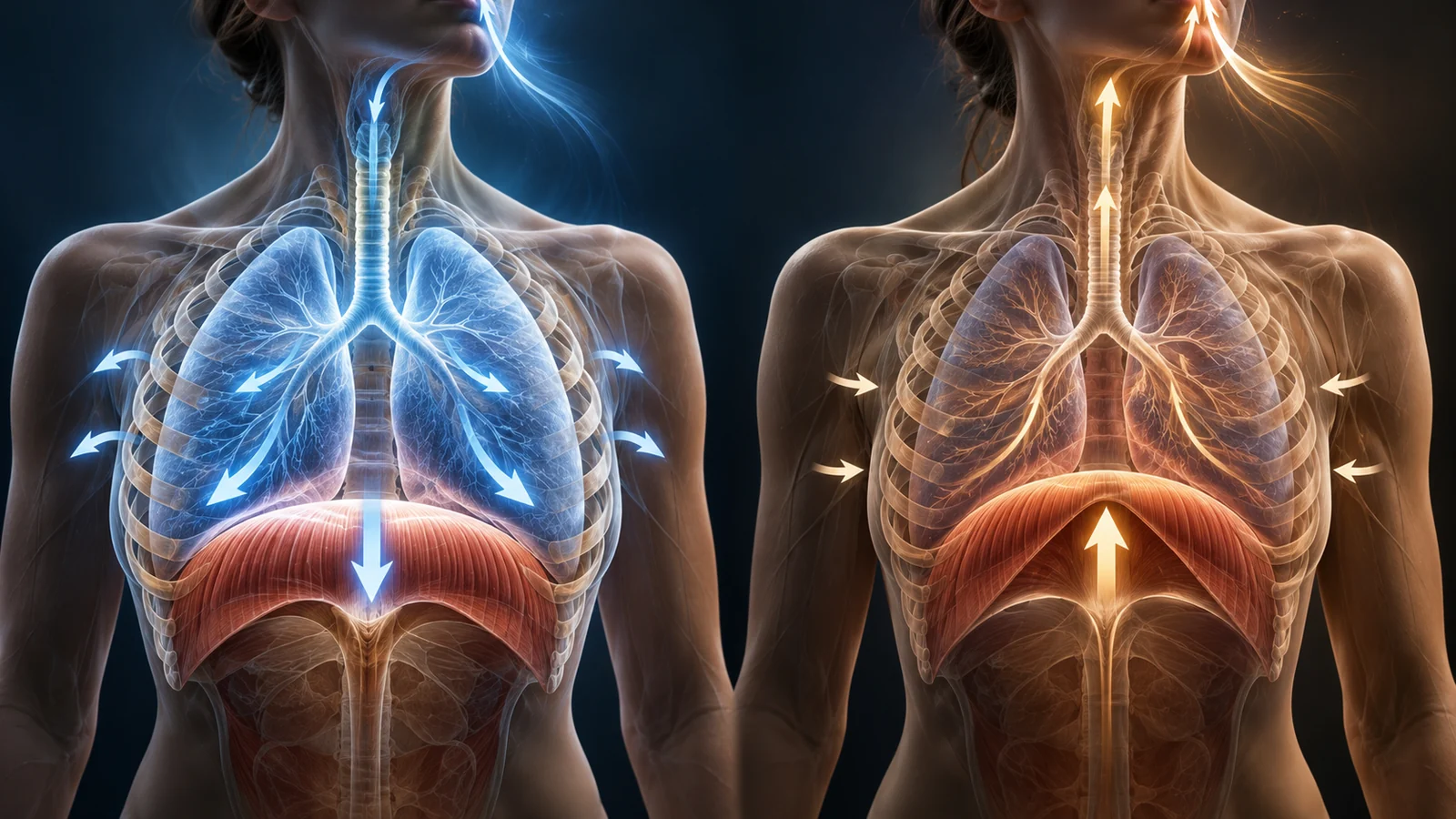
Conscious, Slow and Diaphragmatic Breathing
Before changing the breath, it helps to know how you are breathing now.
Conscious breathing
Conscious breathing is the simplest place to begin. It does not necessarily mean changing the breath at all — sometimes it means first becoming aware of what is already happening. Where do you feel your breathing? Does it move primarily in the chest, ribs or abdomen? Is there strain? Do you unconsciously hold your breath under pressure?
This shift from automatic breathing to conscious observation can already change the quality of attention. For that reason, I prefer awareness before intervention.
Slow and regulated breathing
Slow breathing is one of the better-studied areas within the broader world of breathwork. It generally involves reducing breathing frequency, often to fewer than ten breaths per minute, without creating strain or air hunger. In some approaches people work around five to six breaths per minute.
I do not treat a particular number as sacred. One person may feel comfortable at that rhythm, while another may feel as though they are waiting too long for the next breath. The breath should serve the person, not the stopwatch.
Diaphragmatic breathing
Diaphragmatic breathing involves allowing greater movement of the diaphragm and abdomen rather than relying primarily on shallow upper-chest breathing. The goal is not to push the belly outward forcefully — it is to reduce unnecessary effort and allow the mechanics of breathing to become easier and more spacious.
For some people this becomes a basic regulation practice. For others, simply noticing the difference between strained chest breathing and softer diaphragmatic movement is already meaningful.
Structured patterns
Extended Exhalation, Coherent Breathing and Box Breathing
Three patterns people meet most often — and what each one is actually for.
Extended exhalation
In extended-exhale breathing, the exhale is slightly longer than the inhale. A common example is inhaling for four counts and exhaling for six, but this is only a framework.
The exact ratio is less important than comfort. If the exercise creates air hunger, tension or a sense of struggle, then the numbers are no longer helping. The purpose is not to achieve the perfect count — it is to create a rhythm the body can settle into.
Coherent and resonance breathing
Coherent breathing and resonance breathing are terms often used for slow, paced breathing practices, frequently around five to six breaths per minute. These approaches are commonly discussed in relation to heart-rate variability and autonomic regulation.
I find the underlying principle useful, but I do not treat one exact frequency as universally optimal. Different bodies respond differently. The practice matters more than the mythology around the number.
Box breathing
Box breathing uses four equal phases: inhale, hold, exhale, hold. It is often taught using a four-count structure, but the actual count can be adjusted.
Some people appreciate the clear structure because it gives the mind something specific to follow. For others, breath holds are uncomfortable or unnecessarily activating. There is no reason to force them.
Try it yourself
Triangle Breath and Box Breathing — a 9-Minute Practice
A guided practice from my own channel, using two of the structured patterns described above. It is short, it asks nothing you have not already read about here, and it is a reasonable way to find out how your body responds to a counted rhythm before any session.
If holds feel uncomfortable, let them go and simply breathe. That is information too:
- Triangle breath
- Box breathing
- Counted rhythm
- 9 minutes
- No experience needed
The continuous cycle
Connected Breathing and Circular Breathing
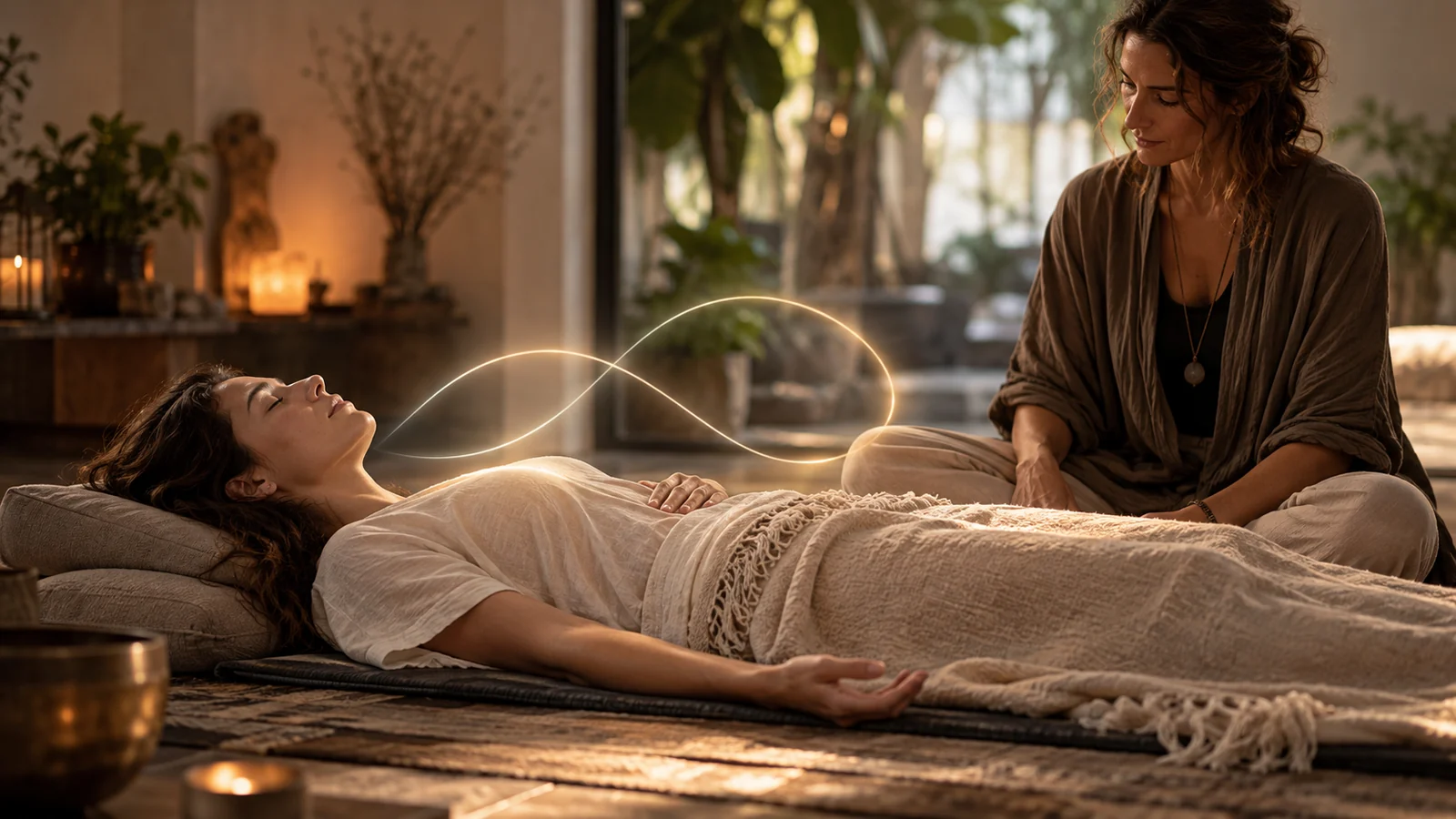
Connected breathing reduces or removes the pause between inhalation and exhalation so that the breath forms a continuous cycle.
This is not one single method. Connected breathing can be very gentle, or it can become fast and physically intense.
As depth and pace increase, physiological changes can become more noticeable, which is why I approach this style progressively rather than assuming that more intensity means more benefit.
A powerful experience is not necessarily a more useful experience.
A school, not a pattern
Rebirthing Breathwork
Rebirthing Breathwork is one of the modern schools that made connected breathing central to an entire practice.
It emerged in the twentieth century and is most closely associated with Leonard Orr. Rebirthing developed not only as a breathing technique but as a broader system involving emotional patterns, early-life experience and, in some versions, ideas about birth experience.
In everyday language, especially outside English-speaking markets, Rebirthing and circular breathing are often used almost interchangeably. Technically, however, they are not identical.
I may work with principles of connected breathing without automatically adopting every historical or therapeutic claim made within Rebirthing traditions. I do not assume that every difficulty originates in birth experience, and I do not promise that breathing will “release trauma from the root.”
A method can contain useful tools without every belief surrounding it becoming fact.
The yogic world of breath
Pranayama
Long before Breathwork became a modern wellness category, yogic traditions had already developed sophisticated systems of intentional breathing.
Pranayama is not one breathing exercise. It is a broad family of practices involving rhythm, breath retention, nostril control and attention. In traditional yogic language, pranayama is associated with prana, often translated as life force or vital energy.
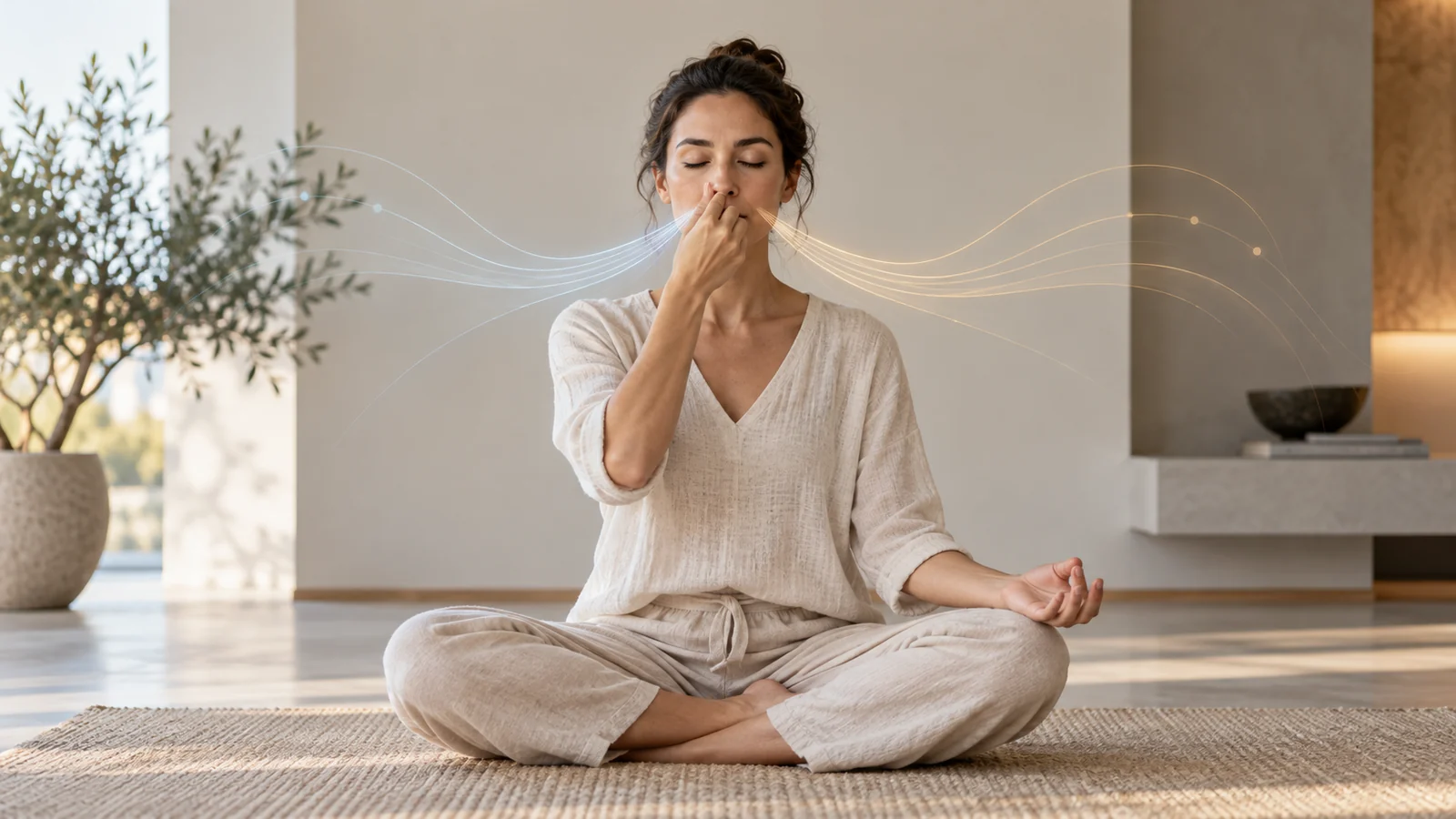
Common practices include Nadi Shodhana — alternate-nostril breathing; Ujjayi — gently constricted throat breathing; Kapalabhati — active rhythmic exhalations; Bhastrika — strong dynamic breathing; and Kumbhaka — breath retention.
Some of these practices are gentle. Others are far more activating. The term “Pranayama” therefore tells us very little unless we also know which practice is being used and why.
I also prefer to distinguish traditional spiritual language from modern physiology. It is possible to respect the concept of prana within its yogic context without presenting it as though it were a biomedical substance that has been measured in a laboratory.
Nadi Shodhana
Alternate-Nostril Breathing
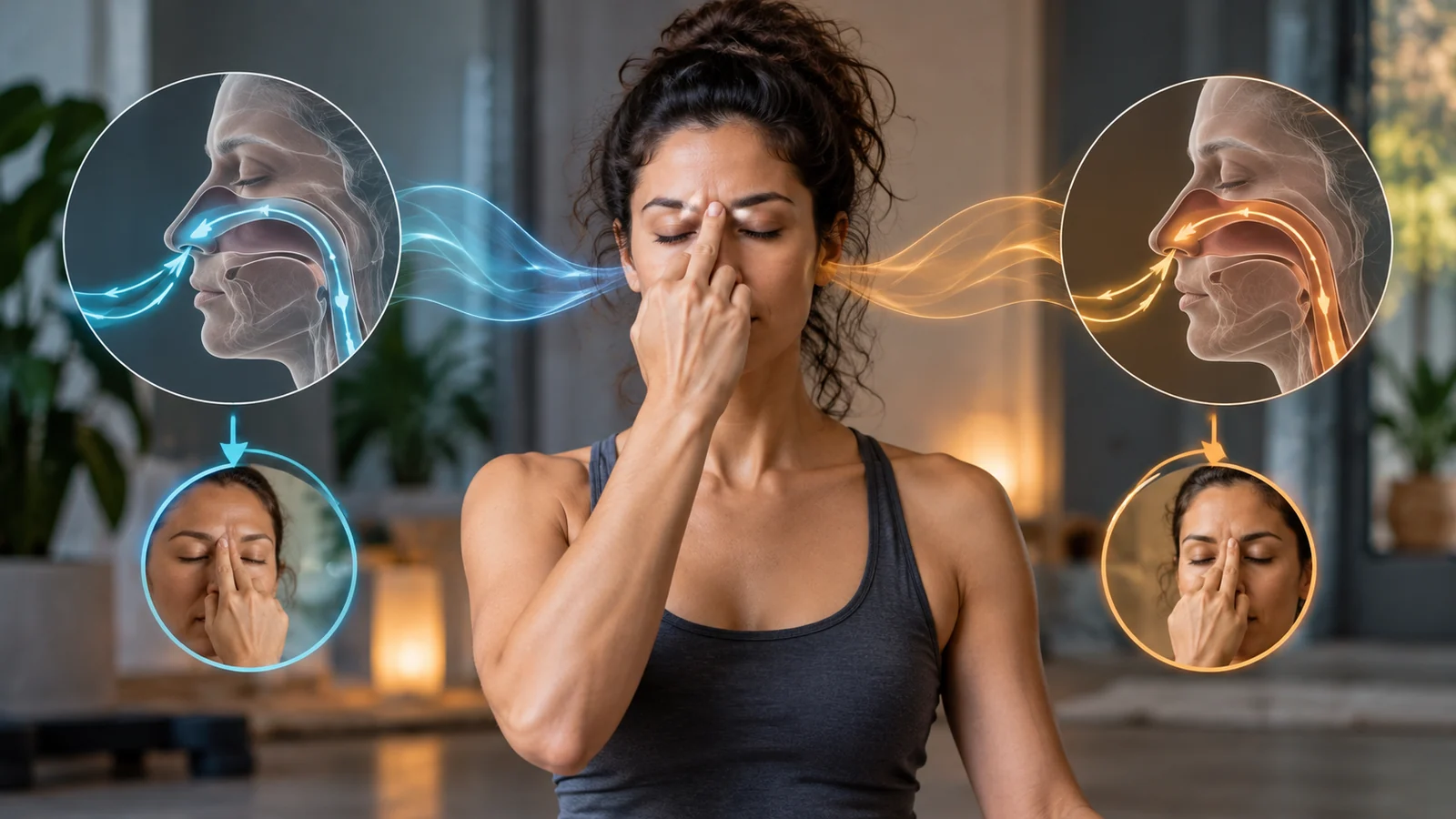
Alternate-nostril breathing involves breathing through one nostril and then the other in a structured sequence.
The practice requires enough attention that it naturally interrupts habitual mental activity. For that reason, it can function not only as a breathing technique but also as an attention practice.
It is a good example of how breathwork can work through both physiology and focused awareness.
Alternate-nostril breathing has also appeared in research on stress and anxiety as one of several breathing interventions studied, alongside slow breathing, diaphragmatic breathing and other methods. That a method has been studied does not make every traditional claim around it proven — I keep those separate.
A longer practice
Three Breathing Spaces — a Guided Hemi-Sync Meditation
A longer guided exercise from my own channel, working with three distinct spaces of the breath and a Hemi-Sync® audio background.
Use headphones if you have them, and do not practise this while driving or in water:
- Three breathing spaces
- Guided
- Headphones recommended
- Not while driving
Breath as a bridge
Breathwork in Tantra
Breathing also plays an important role in tantric traditions, although there is no single standardized method called “tantric breathing.”
Tantra is a very broad field. Depending on tradition and context, breath may be combined with meditation, movement, mantra, visualization, body awareness, energetic concepts, sound or partnered practice.
Modern tantric approaches may also use breath to increase body awareness, deepen presence, synchronize attention between partners or work with what traditional systems describe as prana or life energy.
I have basic background in tantric study, so this language is familiar to me, but I do not present my breathwork sessions as “tantric therapy.” When tantric principles appear in my work, they enter primarily as tools of body awareness, attention, presence and conscious breathing.
One of the useful contributions of tantric traditions is the recognition that breathing can become more than mechanical respiration. It can become a bridge between sensation, attention and presence.
Some tantric and relationship-based practices also use synchronized breathing between two people. This does not have to be sexual — sometimes the practice is simply about slowing down enough to notice another person. It is not currently the main focus of my individual remote work, but it shows how broad the world of conscious breathing really is.
- Meditation and attention
- Movement and mantra
- Body awareness and sensation
- Presence between two people
Being precise about names
Holotropic Breathwork® and the Wim Hof Method
Two named systems that belong on any honest map of modern breathwork — and that I describe rather than deliver.
Holotropic Breathwork®
- A defined method developed by Stanislav and Christina Grof
- Accelerated breathing, evocative music, supported experiential work and integration
- Has its own training and facilitation pathway
- Not simply another name for strong breathing
- I am not a certified facilitator
Wim Hof Method
- A modern branded system that reached a very wide audience
- Cycles of deeper breathing followed by retention
- Made active breathing recognizable far beyond yoga
- A reminder that safety context matters
- I do not teach it as a branded method
I include both because any serious overview of modern breathwork would be incomplete without them — and because naming a method you are not trained in is not the same as offering it.

Not only for calm
Breathwork and Performance
Breathing is not used only for relaxation, meditation or emotional exploration.
Athletes, freedivers, martial artists, performers and high-performance professionals have long used breathing strategies around focus, recovery, composure and tolerance of physical stress.
There is no need to make any of this mystical. The ability to notice what we do with the breath under pressure can be a very practical skill.
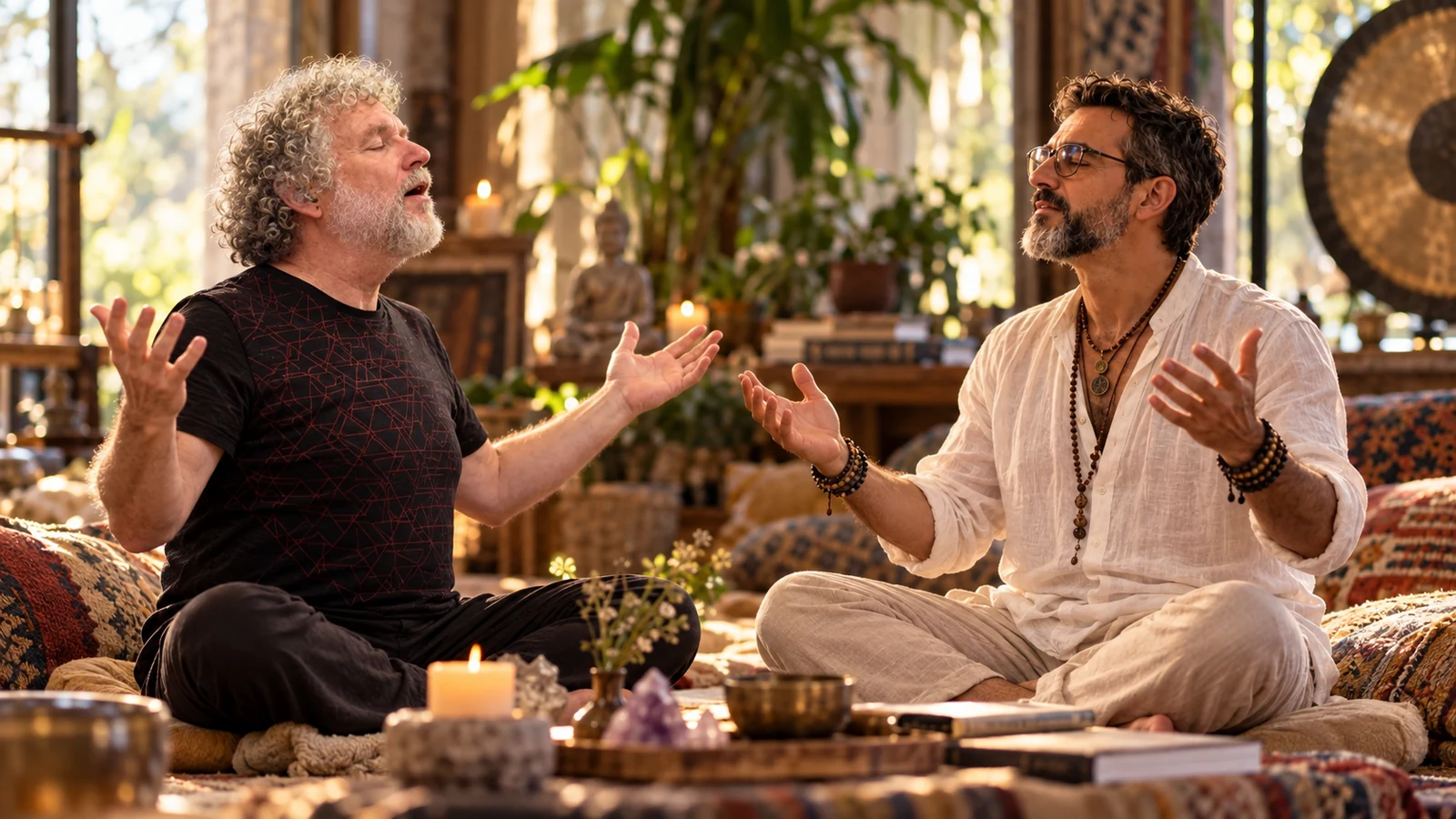
This practical side of breathwork is one of the reasons I connect strongly with the work of Dan Brulé. His approach spans both contemplative and performance-oriented applications, and that wider perspective has influenced the way I think about breath.
Study and lineage
Dan Brulé and Breath Mastery
Dan Brulé is one of the main teachers I study with in the field of breathwork.
What I appreciate most about his approach is the idea of Breath Mastery. Rather than collecting endless breathing “hacks,” Breath Mastery means developing enough understanding to know which kind of breathing fits which situation.
Instead of asking “What is the most powerful technique?” the more useful question becomes: what do I want the breath to do now?
Dan's work has influenced the way I integrate breathing into my broader practice, including regulation, meditation, conscious awareness, energy work and preparation for deeper states.
For anyone who wants to go much deeper independently, his three programmes are below — I am studying the first one myself.
Study it yourself
Dan Brulé’s Three Programmes
These are affiliate links: if you buy through them, Quantum Healing Field receives a commission at no additional cost to you. It does not change the order they are in, and it does not change what I say about them — including where I think the marketing overreaches.
Mastering The Breath
The core programme, and the one I am studying. Six modules and 120+ video lessons that move from how you breathe now, through what breathwork actually is, to choosing a protocol for a situation.
The Legacy Collection
Seven programmes bundled — 39 modules and 420+ lessons. The widest version of his teaching. Worth it only if you actually intend to work through it; for most people the course above is the right place to start.
Breath & Body
Eight modules on breathing and the physical body. The instruction is good. The sales page promises reversed ageing, prevented disease and five extra years — I do not stand behind those claims, and I say so on the pick page too.

Physiology over mystification
What Happens in the Body During Fast or Deep Breathing?
When breathing becomes deeper or faster than metabolic demand, the body may exhale carbon dioxide faster than it produces it.
As CO₂ levels fall, blood chemistry and cerebral blood flow can shift. This can produce sensations such as tingling, lightheadedness, changes in body perception, warmth or cold, tightness in the hands, sensations around the mouth or face, or a strong sense of internal energy.
Those sensations can be real and powerful. But they do not automatically mean “blocked energy is being released.” Sometimes they are simply a predictable physiological response to the way the person is breathing.
So if someone feels tingling in the hands during a connected practice, there is no need to choose immediately between “something dangerous is happening” and “the hand chakra has opened.”
Sometimes it is just physiology. And that is reassuring to know.
Physiology does not cancel meaning. It gives us a more stable foundation from which to explore it.
When feeling arrives
What About Emotional Release?
Breathwork can sometimes bring strong emotion to the surface. People may cry, laugh, feel anger, experience fear, remember something unexpected or simply feel a wave of emotion without knowing why.
I try not to automatically interpret every emotional response as “trauma leaving the body.” That is a much stronger claim than we can responsibly make.
What we can say is that changing breathing pattern, posture, attention and physical state can alter emotional experience.
If something arises, we meet it. We do not need to invent a story about it before we understand it.
Beyond the slogans
Breathwork and the Nervous System
The internet is full of claims that a single breathing exercise can “reset the nervous system” or “activate the vagus nerve in sixty seconds.” The reality is more complex.
Research on slow breathing points to relationships between breathing practice and autonomic activity, heart-rate variability, heart rate and psychological measures. But the nervous system is not an ON/OFF switch.
The kind of breathing matters too. Slow breathing may support a calmer state in many people, while fast or dynamic breathing can increase activation.
That is why I prefer not to say “breathwork relaxes the nervous system.” A more accurate statement is:
Breathwork is not always calming; it changes state.
The useful question is which direction we want that change to go. Sometimes the goal is calm. Sometimes alertness. Sometimes focus. Sometimes emotional access. Sometimes simply awareness.

Gentleness before intensity
Breathwork and Trauma-Informed Practice
People often come to breathwork because they want to “release something.” But in trauma-related work, the belief that we need to breathe harder until something breaks open is exactly the approach I avoid.
For some people, closing the eyes and focusing on internal sensation feels safe. For others it does not.
A trauma-informed approach begins with choice. If breathing increases activation, we can open the eyes, move, change posture, stop the exercise or shift attention outward.
The person always remains more important than the protocol.
So the question is not “is breathing good for trauma?” but: which work, if any, suits this person right now?
When trauma, stability or overwhelm are the primary concern, trauma-informed support and integration is usually the more appropriate framework, with breathing included only when useful.
What choice looks like here
- Eyes open is always allowed
- You can stop at any point
- Attention can move outward instead of inward
- Intensity goes down as easily as up
- Breath is one tool, never the only one
Where breath meets consciousness
Breathwork and Expanded States of Consciousness
Certain forms of breathwork, especially longer or more dynamic sessions, can change the quality of attention in noticeable ways.
People may experience altered time perception, imagery, memories, strong bodily awareness, unusual stillness or a state that feels somewhere between deep meditation and waking dream.
I do not need to decide for the person whether that experience was “spiritual,” “neurological,” “psychological” or some combination of all three.
It is possible to leave room for the experience without turning one interpretation into fact.
This is one reason breathwork integrates naturally with my broader work in meditation, BQH, consciousness and multidimensional energy practice — while keeping spiritual language and scientific claims clearly apart.
- Altered sense of time
- Imagery or memory
- Strong bodily awareness
- Unusual stillness
The supporting layer
The Role of Sound in Breathwork
The former version of this service was called Breath, Sound & Consciousness. The focus is now deliberately changing: breath is the central practice, and sound remains a supporting tool.
Depending on the session, I may use crystal bowls, Tibetan bowls, tuning forks, music, voice — or silence.
Sound can provide an anchor for attention and help reduce the tendency to mentally analyze every moment. But sometimes the most valuable part of the session is the silence that comes afterward.
Once the active breathing stops, the music becomes quieter and the body returns to natural breathing, there is often a period where nothing needs to happen. That is where integration begins.
The shape of a session
What Does a Breathwork Session With Me Look Like?
A session begins with a conversation, not a technique.
How it runs
- We talk: why you are here, what you hope to explore, your previous experience and any relevant physical or psychological considerations
- We choose an approach — slow and regulated, connected, or a combination of breath, meditation, sound and body awareness
- We begin gradually, and I pay attention to how you are responding
- If deeper work is appropriate we may increase intensity or duration; if the body signals it needs less, we reduce it
- Near the end we stop controlling the breath and let it return to its natural rhythm
- Then we leave space for quiet — and only after that do we talk about what happened
What may be used
- Conscious breathing
- Slow breathing
- Connected breathing
- Extended exhale
- Meditation
- Sound
- Silence
The goal is not to ask “how intense was it?” The better question is: what remains when the breath becomes ordinary again?
The part after the experience
Integration
A strong experience does not automatically create change.
Someone can have an intense breathwork session, feel emotion, see imagery or experience unusual physical sensations, and then return to exactly the same habits the next day.
For that reason, I consider integration part of the work rather than an optional extra.
We look at what came up, what was physical, what felt emotional, what is clear and what remains interpretation. We may identify something worth practising at home, something worth discussing further, or something that belongs with another professional.
Integration turns experience into something usable.
Before anything intensive
Breathwork Safety
Not all breathwork carries the same level of intensity. Two minutes of comfortable slow breathing is very different from a long period of fast connected breathing.
Before any intensive practice, it is important to tell me about relevant medical or psychological conditions.
Having one of these conditions does not always mean no breathwork is possible. It may simply mean that we choose a gentler form of breathing. In other circumstances, it may be appropriate to seek medical guidance before doing intensive work.
I would rather miss an “intense experience” than push a body into something inappropriate.
Any breathing practice that may cause dizziness or temporary loss of consciousness should never be done in water, while driving, or in any environment where fainting could create danger.
Please tell me about
- Significant cardiovascular conditions
- Uncontrolled high blood pressure
- Epilepsy or seizure history
- Major respiratory disease
- Glaucoma or certain eye conditions
- Pregnancy
- Recent surgery or injury
- A tendency to faint
- Significant panic history
- An active or unstable psychiatric condition
Two valid entrances
Does Breathwork Have to Be Spiritual?
No.
You can come to breathwork because you want a practical tool for attention, regulation and body awareness and never discuss chakras, energy or spirituality.
You can also come from the opposite direction and be interested in the relationship between breath, meditation, prana, tantra and consciousness.
Both are valid. I do not need someone to adopt my spiritual framework in order to work with them.
It is your breath.
Fit
Who May Benefit — and When Another Session Fits Better
Breathing can appear in all of my work. But not every problem needs to become a breathwork problem.
A breathwork session may suit you if
you want to work less through analysis and more directly through the body; you want to develop a more structured breathing practice; you are a meditation practitioner who wants to understand breath more deeply; you are looking for a practical regulation tool; or you are curious about how changes in breathing can influence attention and internal state.
It can also be especially useful if you already work with me in another modality and want to go deeper into a tool that appears repeatedly throughout that work.
Another session may fit better if
your main concern is sleep, nutrition, fatigue, lifestyle or broader health patterns — holistic health is a better starting point. For a longer consciousness journey through relaxation, imagery and Higher Self work, BQH is more appropriate.
If the central issue is trauma, overwhelm or stability, trauma-informed support should usually lead. And if your primary language is energetic or spiritual, multidimensional energy work may be the broader framework.
Background
Training and Background Behind My Breathwork Practice
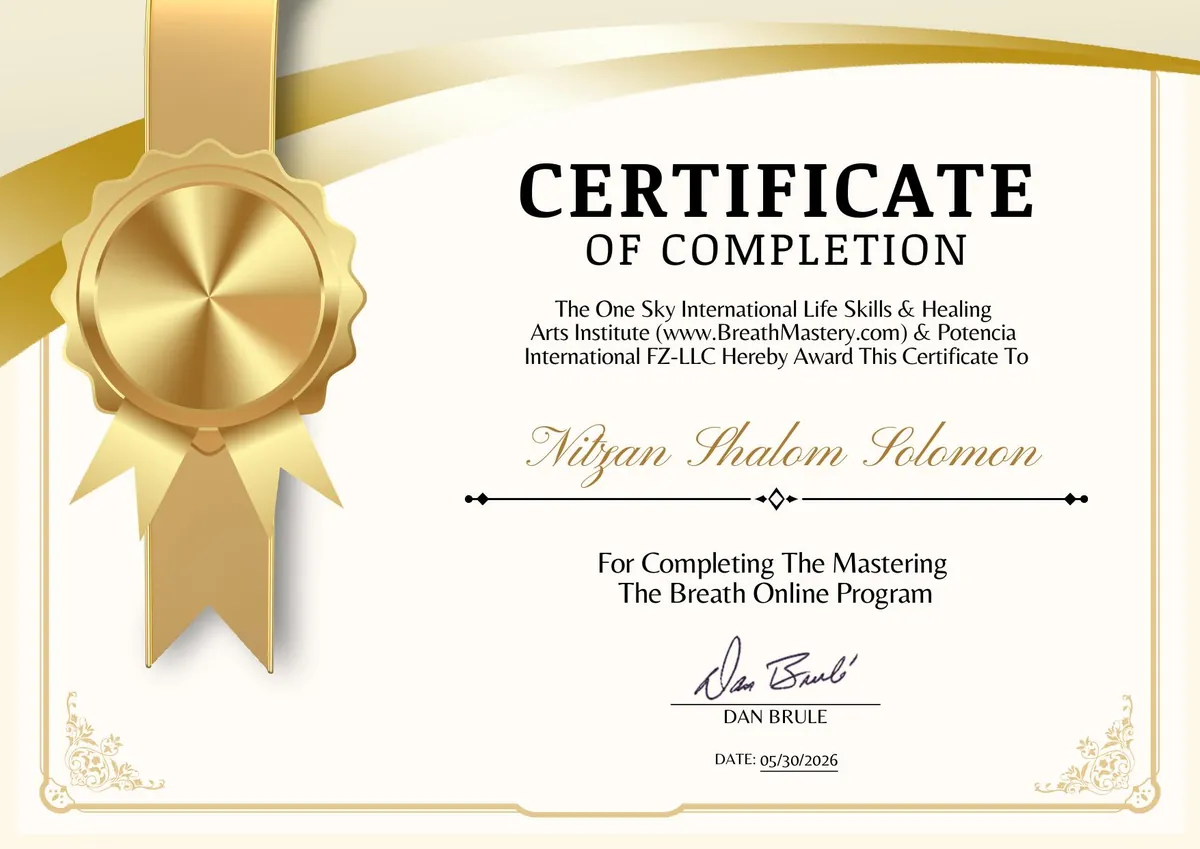
Mastering the Breath
Breath as a deliberate tool rather than a relaxation exercise — including when not to use it. Further breathwork practitioner study is ongoing.
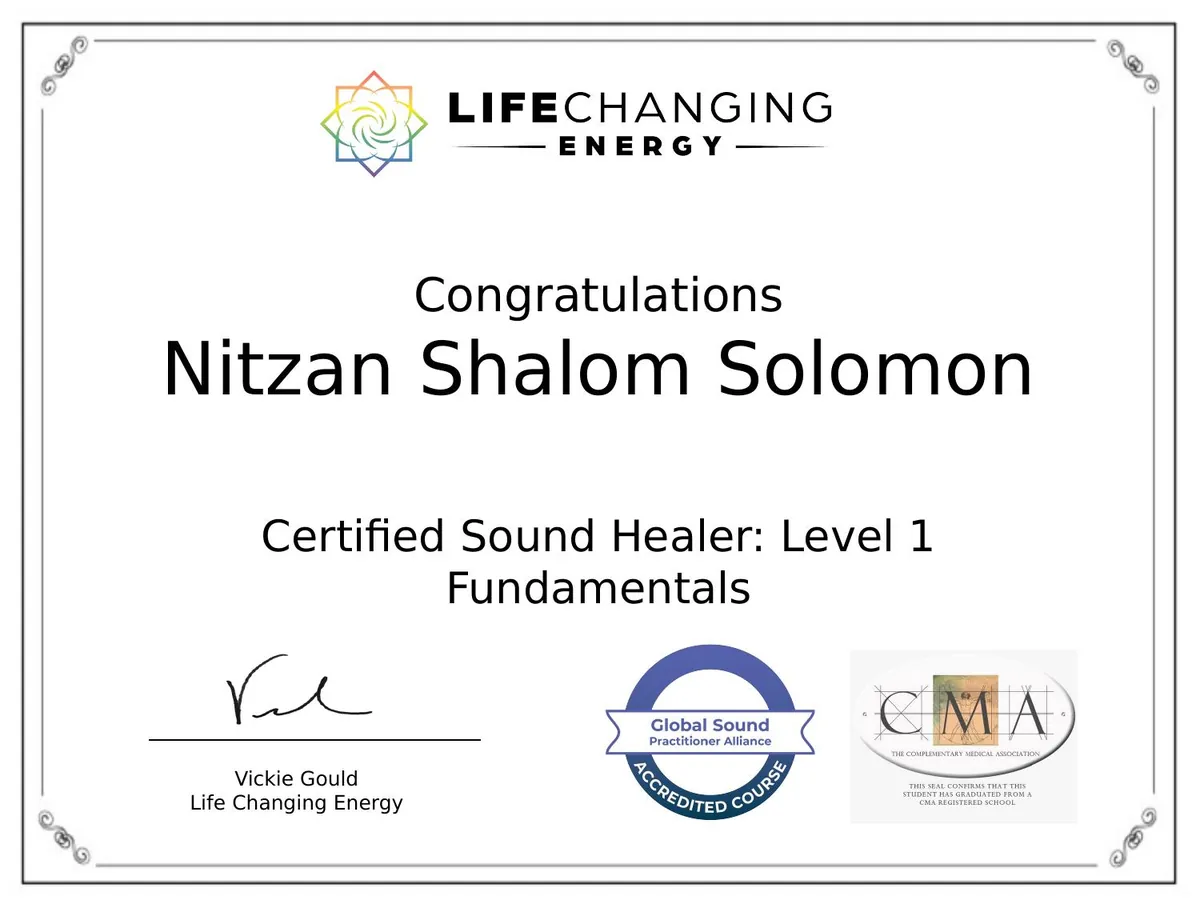
Sound Healing — Level 1
Crystal and Tibetan bowls and tuning forks — the supporting layer in a breath session, never the reason it exists.
To be clear
What I Do Not Claim
My approach to breathwork does not come from one single school. It draws on Breath Mastery studies with Dan Brulé, conscious breathing, meditation and altered-state practice, holistic health education, sound work and additional body-consciousness traditions, including introductory tantric study.
I do not claim formal certification in every school described on this page. Some methods are included because they are important parts of the history and landscape of modern breathwork — not because I am trained to deliver them.
That distinction matters.
Frequently Asked Questions About Breathwork
What does “Breathwork” mean?
Breathwork is an umbrella term for intentional breathing practices used to influence physical state, attention, arousal, meditation and consciousness. It is not one single method.
What is the difference between breathwork and breathing exercises?
A breathing exercise may be a brief technique lasting one or two minutes. Breathwork can also refer to longer guided processes involving breathing pattern, body awareness, music, meditation and integration.
What is connected breathing?
Connected breathing reduces or removes the pause between inhale and exhale so that the breath becomes continuous. Different schools use this principle in different ways.
Is circular breathing the same as Rebirthing?
Not exactly. Circular or connected breathing describes a breathing pattern. Rebirthing is a specific school that uses connected breathing as a central practice.
What is Pranayama?
Pranayama is a broad family of breathing practices from yogic traditions. It includes many different approaches involving rhythm, breath retention, nostril control and attention.
What is tantric breathing?
There is no single standardized method called tantric breathing. Tantric traditions may integrate breath with meditation, movement, mantra, visualization, body awareness and partnered practice.
Do you offer Holotropic Breathwork®?
No. Holotropic Breathwork® is a defined method with its own training pathway. I discuss it as part of the broader breathwork landscape but do not present myself as a certified Holotropic Breathwork® facilitator.
Do you teach the Wim Hof Method?
Not as a branded method. I may work with different breathing principles when appropriate, but I do not present my sessions as Wim Hof Method sessions.
Can breathwork help with stress?
Certain guided breathing practices may help some people reduce stress and physiological arousal. Breathwork is not a substitute for professional treatment for anxiety disorders or other mental-health conditions.
Why do people feel tingling or dizziness during breathwork?
Fast or deep breathing can reduce carbon dioxide levels in the blood, which may cause lightheadedness, tingling or other physical sensations. If this happens, the practice can be slowed or stopped.
Do I need to breathe intensely?
No. Some of the most useful work is quiet and gentle. Intensity is not a measure of quality.
Can breathwork be done online?
Yes, many guided breathing practices can be done remotely when the person and the method are appropriate. More intensive work requires additional screening and safety consideration.
Do I need previous experience?
No. We begin from your current level.
Do you use sound?
Sometimes. Music, voice, bowls or tuning forks may support the session, but breath remains the central practice.
Do I need to believe in spirituality or energy?
No. Breathwork can be approached in a completely practical, body-based way.
Breathwork offered here is a complementary practice for wellbeing, awareness and personal development. It is not medical treatment, respiratory therapy, psychotherapy or a substitute for licensed care. Intensive breathing practices are not appropriate for everyone, and relevant medical or psychological conditions should be disclosed in advance. Health disclaimer.
BREATHWORK · AVAILABLE REMOTELY
Breath is not another protocol
There is no shortage of videos promising the breathing technique that will change your life, three breaths to activate the vagus nerve, or five minutes to reset your nervous system. I prefer something quieter and more useful: learn how you breathe, understand what changes when you alter it, notice the difference between breathing that calms you and breathing that activates you, and know when to deepen the practice and when to stop. I do not think we need to turn breath into magic in order to appreciate how powerful it can be. We need to learn how to work with it.
Personal sessions · held remotely